Organizational framework
The seminar combined academic work with practical discussion. Each participant wrote a seminar paper (12-15 pages) on a specific topic and presented the results in plenary. In addition to the depth of content, methodology, expression, presentation style and contributions to the discussion were also assessed. This gave the students the opportunity to analyze a highly topical business issue from different perspectives and to explore it in greater depth together.
What is unified commerce?
While multichannel juxtaposes several channels and omnichannel connects them, unified commerce goes one step further:
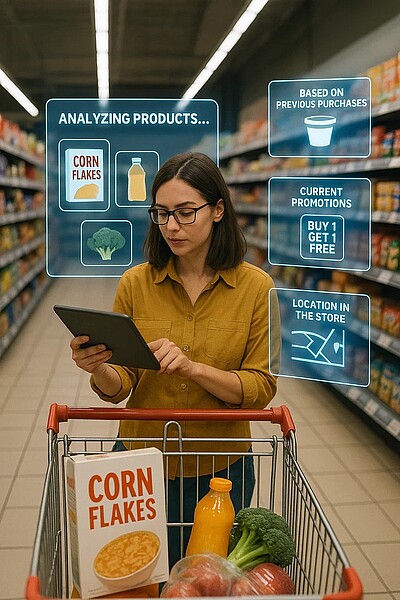
All systems - from merchandise management and CRM to payment and logistics solutions - converge on a central platform. This creates a consistent, personalized shopping experience, regardless of whether the purchase is made online, on mobile devices or in-store.
In short, unified commerce creates the basis for companies to truly understand and serve their customers in real time.
Content and findings of the seminar papers
The 13 papers showed how broad the field is - and how many opportunities, but also challenges, it holds. An excerpt:
- Technologies & processes: from ERP systems and real-time data management to blockchain and the Internet of Things (IoT).
- Customer focus: expectations of a seamless shopping experience, personalized offers, data protection and cybersecurity.
- Industry insights: Practical examples from the fashion and food retail sectors made it clear how differently unified commerce works in practice.
- Future topics: Artificial intelligence, retail media networks, augmented & virtual reality and sustainability will shape the coming years.
The legal framework was also a key point: Students analyzed the impact of the GDPR, international data protection laws and cybersecurity standards on retail companies. This showed that companies not only have to keep pace technologically, but also in terms of regulation.
Why this is important
The results of the seminars show: Unified commerce is more than just a trend. It is a profound change in the organization of retail - comparable to the move from brick-and-mortar stores to the Internet. This opens up enormous opportunities for companies and a shopping experience for consumers that is more individual, faster and more transparent than ever before.
For us as students and researchers, this means that anyone studying retail, digitalization or management can no longer ignore unified commerce.
Outlook
The seminar papers have laid the first foundation stone. The Competence Center for Leadership Experience will continue to accompany the topic in research, education and practical projects. Students are invited to continue the discussion - be it in projects, theses or through their own commitment.